by Joe Ringlehan, Taken from a Parenting Seminar | Dec 10, 2024
Parenting isn’t a science. It’s messy, exhausting, and sometimes, just plain confusing. We try to figure out how to set limits without breaking our kids’ spirits, how to keep the peace while honoring the chaos. And let’s be real—sometimes it feels like we’re just winging it, hoping for the best.
One of the hardest lessons we learn as parents is that boundaries are not just rules—they’re a form of love. They create safety, both for our kids and for us. But holding those boundaries, especially in the face of meltdowns, resistance, or relentless testing, can feel overwhelming.
Your kid’s pulling cherries out of the fridge, eating it, and spitting the seeds on the floor. You’re standing there, exhausted, trying to figure out how to handle it. Do you make them clean it up? Do you just grab the broom and move on? Do you let it slide because you don’t have the energy for another power struggle? It’s not just about the seeds—it’s about what you’re teaching them in that moment. Are you setting the boundary, or are you teaching them that limits are negotiable?
But boundaries aren’t always about seeds. Sometimes, they’re about bigger things. For example, when your kid loses it in the car because you say no to stopping at their favorite spot. They’re screaming, kicking the seat, telling you they hate you. And in that moment, you feel it—the urge to yell back, shut it all down, and end the noise and chaos.
You want to set the limit but also carry your own baggage. Maybe you were screamed at as a kid. Maybe you promised yourself you’d never be that parent. And now here you are, trying to find a way to hold the boundary without losing yourself—or your child.
And that’s the struggle, isn’t it? Boundaries aren’t just about keeping your kid from their favorite spot or spitting cherry seeds. They’re about showing your child that you’re there, steady and unshakable, even when they’re falling apart. It’s about teaching them that their feelings are safe with you, no matter how big or loud. But it’s also about showing them that you’re human and have limits too.
Sometimes, we get it wrong. We yell. We shut down. We overcorrect. And later, we sit with the weight of it, wondering if we’ve done more harm than good. Like when you scream at your kid in the car, and the look on their face tells you everything you need to know about how that landed. Or when you realize that in trying so hard to avoid a fight, you might have left them feeling uncontained, untethered.
But those moments—the messy, imperfect ones—are also where the magic happens. It’s where we get to show our kids what it looks like to be real, to own our mistakes, to apologize and try again. It’s where we get to say, “I’m sorry. That wasn’t okay. Let’s figure this out together.”
Boundaries are hard. They’re uncomfortable. They push us to confront our own fears, our own shadows, our own histories. But they’re also necessary. They’re how we teach our kids to feel safe, to trust us, and ultimately, to trust themselves.
So the next time you’re in the middle of the chaos—whether it’s spitting pits, screaming matches, or something else entirely—remember this: It’s okay to struggle with boundaries. It’s okay to get it wrong. And it’s okay to let your child see you trying. Because in the end, it’s not about being perfect. It’s about being present. And that’s where the real love lives.
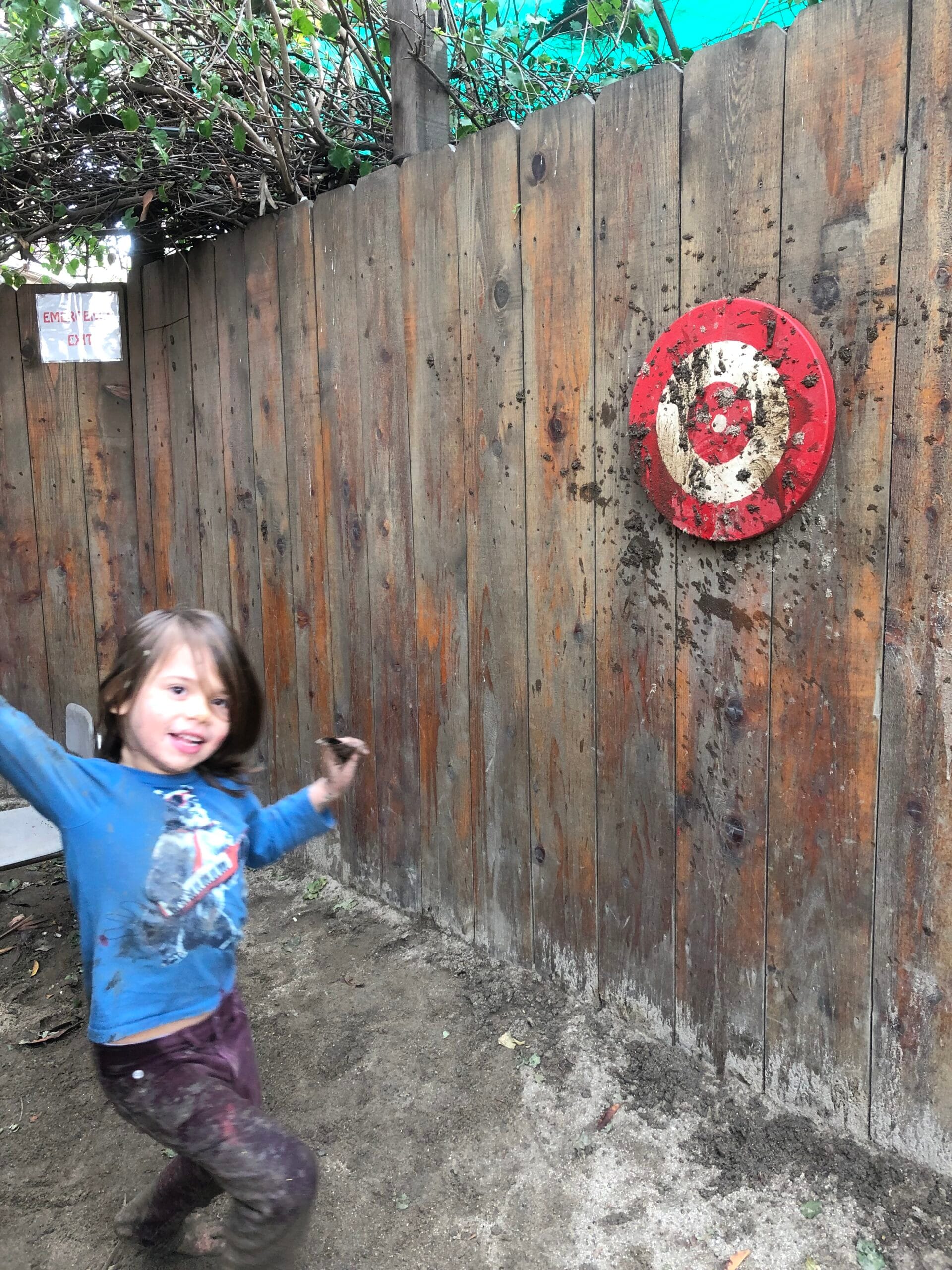
Learning to Hold Space for Big Emotions—Theirs and Ours
When your child’s emotions explode, it’s easy to feel like you’re caught in a storm without an umbrella. They’re screaming, crying, maybe even throwing things, and everything in you wants to fix it—or escape it. But what if the real work isn’t about fixing or escaping? What if it’s about staying?
Kids don’t always know how to process their big emotions, so they send them out into the world raw and unfiltered. And who’s the first stop for all that intensity? You. But here’s the thing: they don’t need you to solve it for them. They just need you to hold it. To sit in the discomfort with them. To say, “I see you, and I’m here.”
That’s easier said than done. When your child is losing it in the backseat because you drove past their favorite stop, your first instinct might be to match their energy—yell louder, shut it down. Or maybe you shut down yourself, retreating into silence. Either way, it’s hard to stay present when the emotional volume gets cranked up.
But staying present doesn’t mean you have to absorb their emotions or let them run the show. It’s about creating a container—a space where they can express what they’re feeling without fear of being judged, dismissed, or overpowered. And it’s about showing them, through your actions, what it looks like to regulate strong emotions.
Here’s where it gets tricky: holding space for your child often means holding space for yourself, too. That rage bubbling up when they tell you they hate you? That’s yours to sit with. That exhaustion after another tantrum? Yours too. Parenting isn’t just about teaching your child to manage their emotions—it’s about learning to manage your own.
And sometimes, managing your emotions looks like making mistakes. Maybe you yell. Maybe you set a boundary too harshly or let one slide because you just don’t have it in you. That’s okay. What matters most is what comes after. The repair. The moment when you say, “I didn’t handle that the way I wanted to. I’m sorry. Let’s try again.”
Because in those moments, you’re teaching your child that it’s safe to have big emotions. You’re showing them that feelings, even the messy ones, don’t have to be feared or suppressed. And you’re modeling what it looks like to navigate emotional storms with compassion—for them and for yourself.
So, the next time you find yourself in the middle of an emotional meltdown—whether it’s theirs or yours—pause. Breathe. Remind yourself that it’s not about fixing. It’s about staying. About holding space. About showing up, even when it’s hard. Especially when it’s hard.